
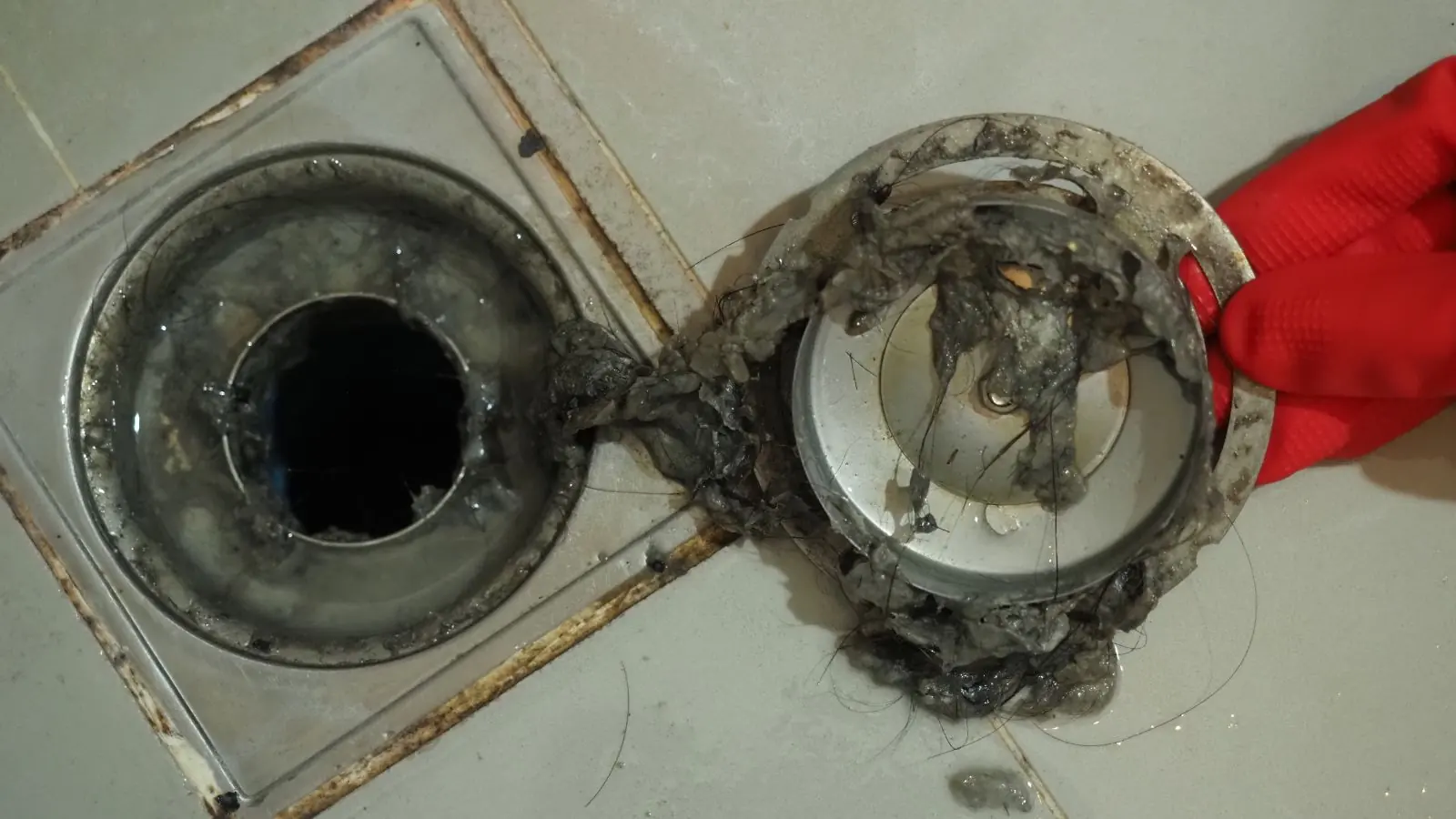
How sewage backups happen in DeSoto
A sewage backup means wastewater is coming up through the lowest drain in the house, usually a floor drain, a tub, a shower or a toilet. The lowest opening is where pressure pushes it out. A blockage in the home's own line, in the main, or in the city sewer can all cause it.
Heavy rain adds to the problem. In August 2022, local news reports said the city counted at least 19 homes with water inside after torrential rain overwhelmed drainage in parts of DeSoto, and that the city manager said the sewer system was overwhelmed by the amount of water draining into it. Storm flow and sewer flow share the same pipes in many places, so wet weather makes backups more likely.
Roots, grease, wipes and collapsed pipe sections are other causes. Who is responsible depends on where the blockage sits. A blockage in your private line is yours to clear, while one in the main is the utility's. Ask your water and sewer utility if you are unsure.
What you see and what it means
| What you see | What it usually means | What to do |
|---|---|---|
| Dark, foul water coming from a floor drain | Backup in the sewer line | Stop using water and stay out of the area |
| Toilet bubbles or gurgles when another fixture drains | Partial blockage in the line | Do not flush and call a plumber |
| Several drains slow at once | A main line problem | Call a plumber and (972) 945-2885 if water is out |
| Wet carpet that smells like sewage | Contaminated water in porous material | Keep children and pets away and call |
| Water around a toilet base that is not clean | Contaminated overflow | Treat as contaminated and call |
First-hour safety steps for a sewage backup
Stay out
Keep children, pets and everyone else out of the wet area. Sewage carries bacteria and other contaminants.
Stop adding water
Do not run taps, flush toilets or use the washing machine or dishwasher until the line is cleared.
Electrical caution
Do not touch outlets or appliances in standing water. Turn off power at a dry panel if needed.
Protect yourself
If you must enter, wear boots, gloves and eye protection, and wash well afterward. Then call (972) 945-2885.
Call a plumber to clear the blockage. If the backup is in the city main, ask your water and sewer utility to check it. The restoration crew removes the contaminated water and cleans what it touched. For health effects, ask a physician.
How crews clean up sewage
Sewage is treated as the most contaminated category of water under the ANSI/IICRC S500 standard, which is the reference for this work. Crews wear protective suits, gloves, boots and respirators. They set containment where needed so that the contamination does not spread through the rest of the house.
The standing water is pumped or extracted first. Porous materials that sewage touched, such as carpet, pad, insulation and soft drywall, are removed and bagged. They cannot be made safe once soaked. Hard surfaces are cleaned, then disinfected with products approved for the surface.
Then the structure is dried with air movers and dehumidifiers, and sometimes air scrubbers with HEPA filtration to control odor and particles. Readings are logged until materials meet the dry standard. Odors are controlled at the source. Rebuilding follows on the water damage repair side. For general contaminated water cleanup, see water damage cleanup.
Sewage coming up in the house?
Stay out of the water, stop using fixtures and call. A dispatcher explains what to do while the crew is on the way.
What changes the cost of sewage cleanup
- Amount and area. More water over more rooms means more removal
- Materials touched. Carpet, pad and insulation are removed, and hard floors can be cleaned
- Duration. Water that sat for days reaches deeper into walls
- Containment. Setting barriers and air filtration adds time
- Odor control. Deep odors take extra treatment
- Drying and rebuild. A rebuild follows the cleanup
Insurance and sewage backups
The Texas Department of Insurance notes that flood damage is generally excluded from home policies and covered by a separate policy. Sewer or drain backup is often a separate endorsement, not part of the base policy. Ask your agent whether you have it before a loss, and read your policy after one.
Photograph the damage before cleanup begins, keep a record of the plumber's findings and keep receipts. Hold off on permanent repairs until the insurer has looked, since the Texas Department of Insurance advises temporary fixes only until then.
Who to call on the city side
If the problem is in the street main, call your utility. For example, Lancaster lists 972-218-2700 for water and sewer emergencies after hours, and nearby cities publish similar numbers. Ask your own city utility for its line when you are sure the blockage is not yours.
Mistakes to avoid after a sewage backup
- Cleaning it up yourself. Sewage needs protective gear and the right disinfectants
- Mixing chemicals. Bleach and ammonia products release dangerous gas
- Keeping soaked carpet. Porous materials cannot be made safe
- Using the shower or washer. More water into a blocked line makes it worse
- Skipping the plumber. The blockage will return
Where we respond for sewage backups
Crews cover DeSoto and nearby towns including Lancaster and Cedar Hill. For water from outside, see flood damage restoration, and for the extraction step, see emergency water removal.
Is emergency sewage backup cleanup available in DeSoto?
Yes. Sewage backups are treated as urgent at every hour. Call (972) 945-2885, and the dispatcher arranges a crew in protective gear based on availability.
Stay out of the water until the crew arrives.
Is sewage water dangerous?
It carries bacteria and other contaminants, so it is treated as the most contaminated category.
Ask a physician about health effects.
Can I clean up a small backup myself?
It is not recommended. Sewage needs protective gear and the right disinfectants, and porous materials need removal.
If you must, wear protection and call us for the rest.
Does home insurance cover a sewer backup?
Often only with a separate sewer or drain backup endorsement. Standard policies typically exclude floods.
Ask your agent and read your policy.
How do I know if the blockage is mine or the city's?
A plumber can tell by checking the line or the cleanout. If the main in the street is blocked, your utility handles it.
Call your utility if several neighbors are affected.